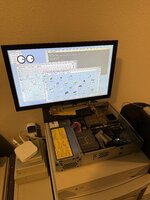
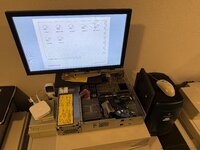
Thanks to Eric and the rest of the BlueSCSI team, BlueSCSI V2 will work on the SGI Indy in the next firmware release!
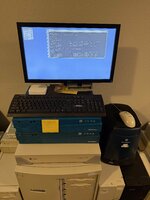
I decided that my Indy was too loud to be in the same room as when it was running the stock hard drives, and also was concerned about heat from the drives harming the machine in the long run as I intend to run this system 24/7. This post will detail my findings with running the Indy on a BlueSCSI.
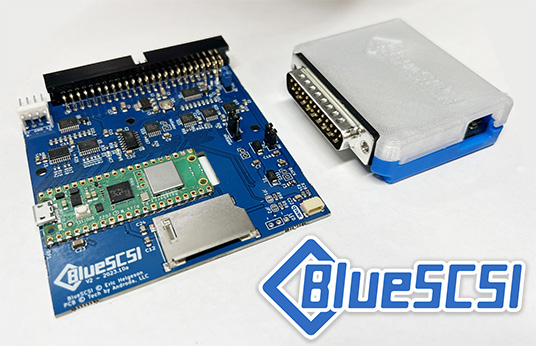
First, I shut down the system and pulled the existing (working) 50 pin SCSI drives from the system. I imaged them using BlueSCSI Initiator mode, detailed at the following link:
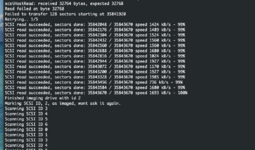
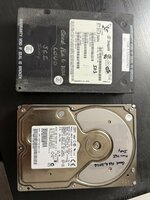
My two drives were the original Seagate ST31230N 1Gb drive from 1995, and the IBM DNES-318350 18Gb drive from 1999 that someone had added during the machine's lifespan as an upgrade. The system was (and still is) running IRIX 5.3. Imaging the 18Gb drive took about 2 hours, but it did so without any critical errors- there was one point where the SCSI bus reset at 74% of the way there, but it recovered and continued on as if nothing happened. The 1Gb drive imaged much faster (less than 20 minutes), and also did so with zero errors. I monitored the progress using CoolTerm on my MacBook.
Once the two original drives were imaged, I backed the .hda files up to an external hard drive, and changed bluescsi.ini to read as seen below instead of the settings for initiator mode, as per Eric's instructions. I was also sure to change the jumpers on BlueSCSI back to Target mode.
[SCSI]
PhaseChangeDelay = 15
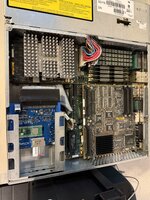
With this all taken care of, I installed the BlueSCSI into the Indy where the hard drives were previously, and I didn't even need the Molex power cable- the BlueSCSI is powered directly off the termination power provided over the SCSI cable. I then hit the power button and to my surprise, the system came up just as it had with the original hard drives, just MUCH faster! I can finally work at my workstation again, and I won't get a headache. The system is now pretty much silent, it will run much cooler (the 18Gb drive in particular gets very warm while running), and the power supply will have less load on it. Overall, I am very impressed with what the BlueSCSI team has accomplished, and I look forward to seeing what BlueSCSI Ultra Wide brings for my newer UNIX systems.
-Jeremiah B.
I decided that my Indy was too loud to be in the same room as when it was running the stock hard drives, and also was concerned about heat from the drives harming the machine in the long run as I intend to run this system 24/7. This post will detail my findings with running the Indy on a BlueSCSI.
First, I shut down the system and pulled the existing (working) 50 pin SCSI drives from the system. I imaged them using BlueSCSI Initiator mode, detailed at the following link:
My two drives were the original Seagate ST31230N 1Gb drive from 1995, and the IBM DNES-318350 18Gb drive from 1999 that someone had added during the machine's lifespan as an upgrade. The system was (and still is) running IRIX 5.3. Imaging the 18Gb drive took about 2 hours, but it did so without any critical errors- there was one point where the SCSI bus reset at 74% of the way there, but it recovered and continued on as if nothing happened. The 1Gb drive imaged much faster (less than 20 minutes), and also did so with zero errors. I monitored the progress using CoolTerm on my MacBook.
Once the two original drives were imaged, I backed the .hda files up to an external hard drive, and changed bluescsi.ini to read as seen below instead of the settings for initiator mode, as per Eric's instructions. I was also sure to change the jumpers on BlueSCSI back to Target mode.
[SCSI]
PhaseChangeDelay = 15
With this all taken care of, I installed the BlueSCSI into the Indy where the hard drives were previously, and I didn't even need the Molex power cable- the BlueSCSI is powered directly off the termination power provided over the SCSI cable. I then hit the power button and to my surprise, the system came up just as it had with the original hard drives, just MUCH faster! I can finally work at my workstation again, and I won't get a headache. The system is now pretty much silent, it will run much cooler (the 18Gb drive in particular gets very warm while running), and the power supply will have less load on it. Overall, I am very impressed with what the BlueSCSI team has accomplished, and I look forward to seeing what BlueSCSI Ultra Wide brings for my newer UNIX systems.
-Jeremiah B.